
-
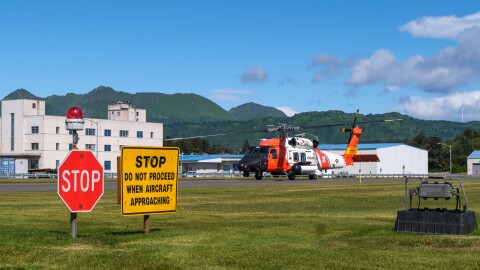 Brian Venua/KMXTCoast Guard Base Kodiak is still humming along, more than 50 days into a partial federal government shutdown. But contrary to what's seen from the outside looking in, it’s not quite business as usual.
 -
 NOAA FisheriesSea ice last month completely froze over Bristol Bay and the north end of the Alaska Peninsula, past Nelson Lagoon. It reached Cold Bay, Unimak Island – even the Pribilof Islands. But at the same time not much sea ice has formed west of the International Date Line in Russian waters.


-
 The Alaska Board of Game reduced the number of sea ducks nonresidents can harvest and rejected increases for deer bag limits during its meeting in Kodiak from March 19-25.
 -
 The National Weather Service has updated the emergency phone alert messaging that Alaskans receive when a tsunami is expected.
 -
 Kodiak residents are getting hit with a 25% or more cost increase on their most recent heating fuel bills. On top of that, the cost to fill up vehicles at the local gas pumps has also gone up as oil prices remain volatile.
 -
 Although none of the proposals asking for limits on pink and chum hatchery salmon passed, Board members discussed enacting similar limits, like putting a moratorium on pink and chum egg takes, in the future.
 -
 Four candidates are running for three seats in the Kodiak Electric Association election.
 -
 Five kelp farmers from around Kodiak Island have started the Kodiak Ocean Growers Co-op. It’s a member owned and operated organization that hopes to benefit all of the archipelago’s kelp farmers in the growing, local industry.
 -
 The station was built in the 1960s and hasn't been renovated since the early 2000s.
 -
 Kodiak is having its snowiest winter in 15 years. With all that white stuff piling up, crews have had to turn to unconventional snow dumps.
 -
 The meeting will weigh proposals for the entire Southcentral region of Alaska, including the entire Kodiak archipelago.
 -
 The Kodiak-based trawl fleet is pausing its fishing for pollock in state waters for three days while the Alaska Board of Fisheries weighs in on proposed tighter restrictions for trawl fishermen, including monitoring of seafloor contact in and around state waters.


